
What happens when America’s blue-collar hero releases an album that doesn’t sound like… well, Bruce Springsteen? Cue the controversy, the debates, and the endless think pieces. In 1982, Springsteen dropped Nebraska, a stark, acoustic record that left fans and critics scratching their heads. But here’s the kicker: 40 years later, it’s still one of his most relevant works. Why? Let’s dive in.
The Album That Broke the Mold
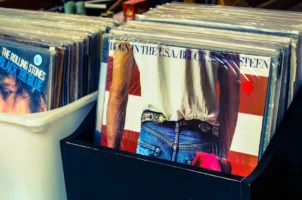
When Nebraska hit the shelves, fans were expecting the anthemic rock of Born to Run or the heartland energy of The River. Instead, they got a haunting, lo-fi collection of songs recorded on a four-track cassette recorder in Springsteen’s New Jersey home. No E Street Band. No big production. Just Bruce, his guitar, and a series of dark, introspective tales about desperate characters on the fringes of society. Critics called it “depressing” and “uncommercial.” But was it genius? Absolutely.
Why It Sparked Controversy
The controversy wasn’t just about the sound—it was about the stories. Nebraska delves into themes of economic despair, crime, and the American Dream gone sour. The title track tells the chilling story of Charles Starkweather, a real-life spree killer. Other songs explore unemployment, poverty, and moral decay. At a time when Reagan-era optimism was in full swing, Springsteen’s bleak portrayal of America felt like a gut punch. Some fans loved it; others felt betrayed. But one thing was clear: Bruce wasn’t playing it safe.
Why It Still Resonates Today
Fast forward to today, and Nebraska feels eerily prescient. Income inequality, systemic injustice, and the struggles of the working class are still front and center in our national conversation. Songs like “Atlantic City” and “Johnny 99” could easily be written about modern-day America. Springsteen’s ability to capture the human cost of economic hardship makes Nebraska timeless. It’s a reminder that the American Dream isn’t a guarantee—it’s a fight.
The Legacy of Nebraska

Despite its initial polarizing reception, Nebraska has since been hailed as a masterpiece. Artists from Johnny Cash to Phoebe Bridgers have cited it as an influence. Its raw, unfiltered approach paved the way for the rise of indie and lo-fi music. But more importantly, it cemented Springsteen’s reputation as a storyteller unafraid to confront uncomfortable truths. In a world that often prefers escapism, Nebraska forces us to look in the mirror.
Final Thoughts
So, why does Nebraska still matter? Because it’s a stark reminder that art isn’t always about comfort—it’s about truth. Springsteen dared to challenge the status quo, and in doing so, he created a work that continues to resonate with each generation. The next time you listen to it, ask yourself: How much has really changed? And what can we do about it?
What’s your take on Nebraska? Love it or hate it, one thing’s for sure: it’s impossible to ignore.
Leave a Reply